Choosing a Dog for a Quieter Lifestyle: Five Honest Profiles
Look past promises of an effortless pet and compare temperament, grooming, health and daily activity needs.
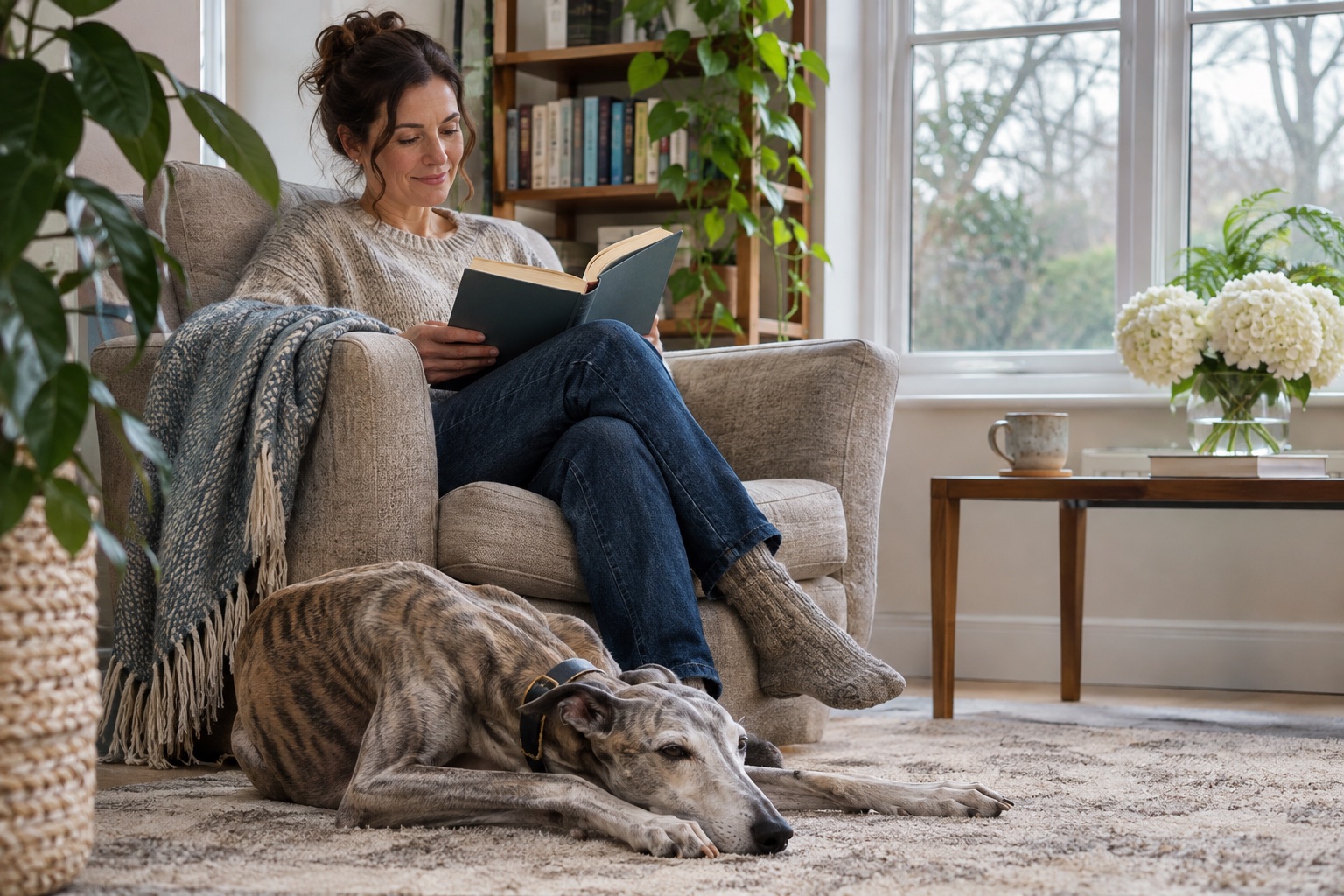
Match your daily capacity to the individual dog; no breed is an effortless companion.
Cover illustration generated with AI. About our images.
Wanting a quieter companion is reasonable; expecting a dog to need almost no time is not. Every dog needs exercise, social contact, training and healthcare. Breed descriptions can suggest questions to ask, but they cannot guarantee a particular adult personality.
Five types to consider thoughtfully
- Pug: often companionable, but a short muzzle can bring substantial breathing and heat-management concerns. A relaxed appearance does not remove the need for activity or careful veterinary care.
- Shiba Inu: often independent and alert. Independence does not guarantee comfort alone, easy recall or low exercise needs; secure management and patient training remain important.
- Bichon Frise: small and sociable, with a coat that typically needs regular brushing and professional grooming. Lower shedding does not mean maintenance-free.
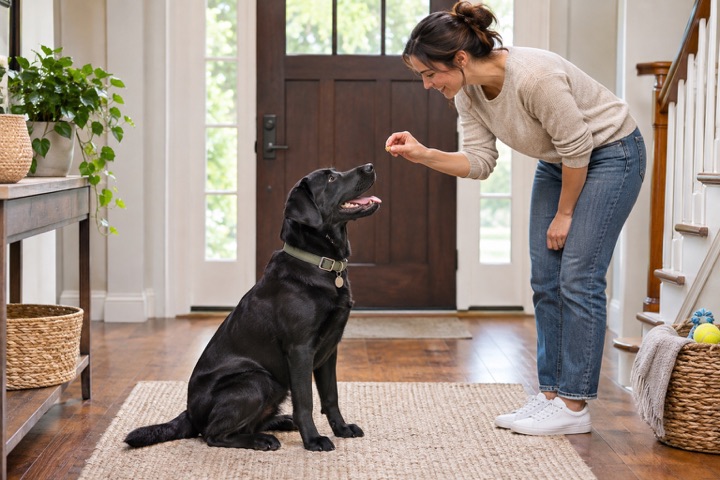
- Labrador Retriever: often responsive to training and enthusiastic about people. Young Labradors can be energetic, strong and mouthy, and adults still need daily activity and portion control.
- Chinese rural or village-type dogs: a diverse group rather than a uniform temperament. Size, sociability, prey drive and care needs vary considerably between individuals.
Meet the dog behind the description
A mature dog whose routines are well understood may be easier to match to your household than a puppy. Ask a rescue, foster carer or responsible breeder about behavior alone, handling, walks, visitors and other animals. Meet more than once when possible.
Check your practical capacity
Plan toilet breaks, exercise, grooming, veterinary costs and care during travel. A small home can suit an active dog if its needs are met, while a large garden cannot replace companionship.
Choose the individual whose needs you can enjoy meeting. The most comfortable partnership comes from a realistic match, not a promise that a particular breed will never bark, shed or become ill.
General educational information. For individual health concerns, consult your veterinarian. Suggest a correction.