A Clear Handover for Your Pet Sitter
Turn daily routines and emergency information into a practical guide another person can follow.
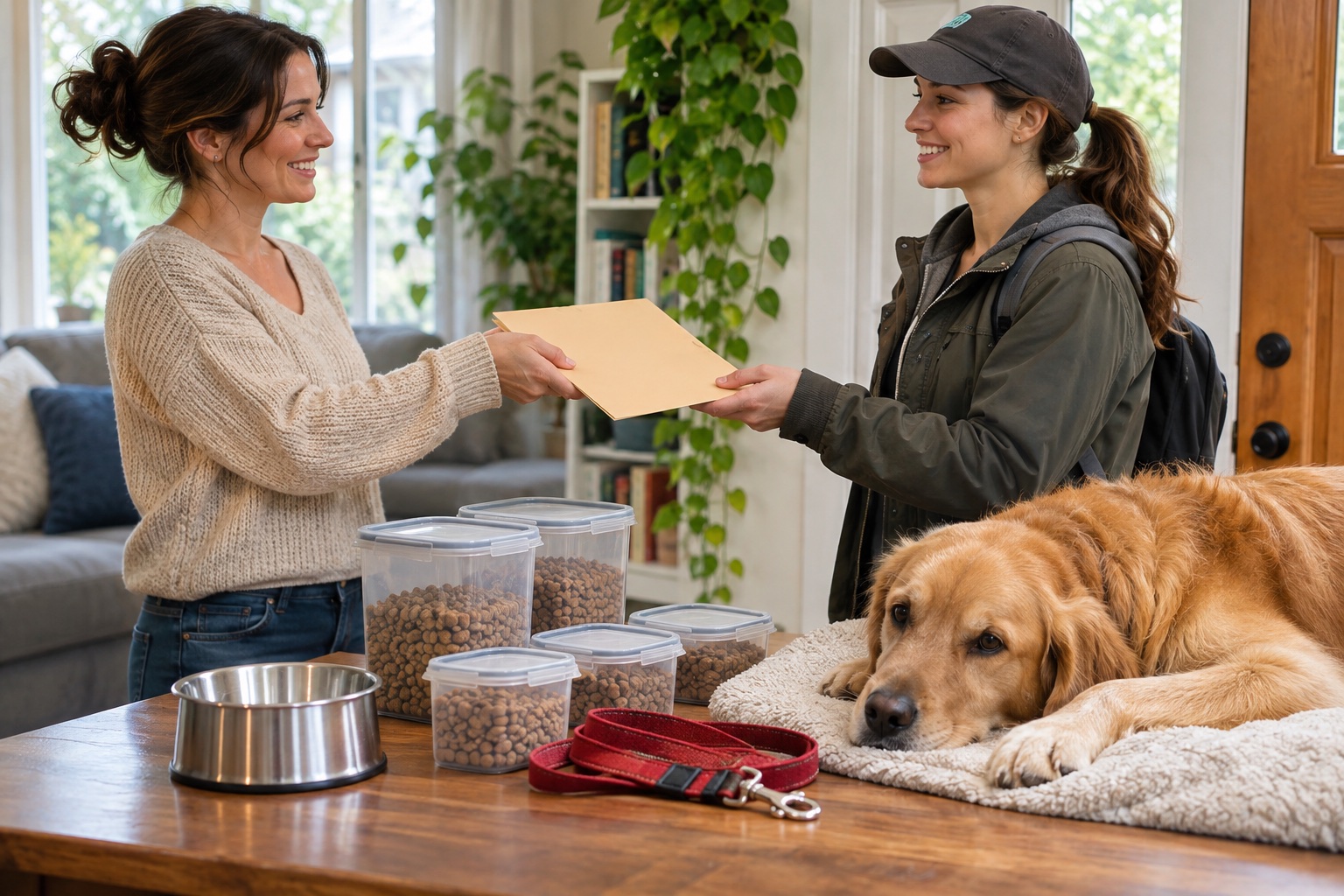
Write precise routines and agree on emergency decisions before the sitter takes over.
Cover illustration generated with AI. About our images.
A good sitter handover makes ordinary care predictable and unusual situations easier to handle. Write for someone who does not know your household habits, even if they have met your pet many times.
Describe the normal day
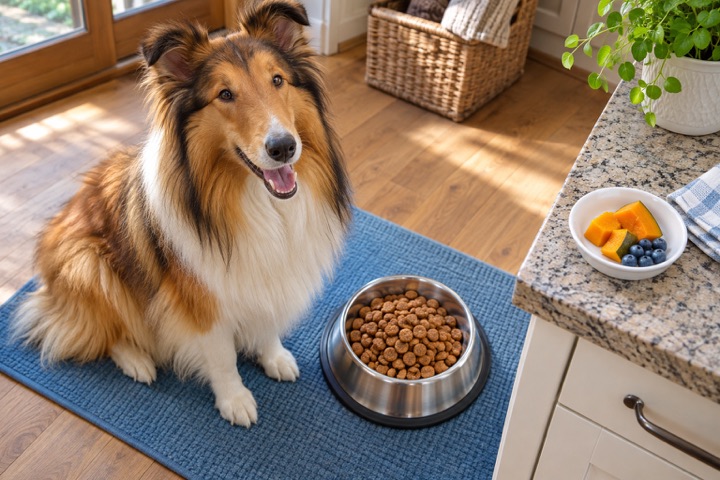
List meal amounts, food storage, toilet breaks, walks, rest and familiar cues. Include where equipment is kept and how doors or gates should be secured. Explain any triggers, handling preferences or areas the pet should avoid.
Use measured amounts rather than 'one bowl' and specify which treats are allowed. Do not rely on a collection of messages scattered across several apps.
Make medication unambiguous
Keep prescribed medication in its labeled packaging with written instructions from the veterinary team. Demonstrate the routine when necessary and clarify what to do if a dose is missed. A sitter should not improvise treatment or change a dose.
Prepare for decisions
Provide your contact details, a backup person, the regular clinic and an emergency veterinary option. Agree in advance how urgent care and payment authorization will be handled. Include relevant records and explain how to transport the animal safely.
Rehearse the practical details
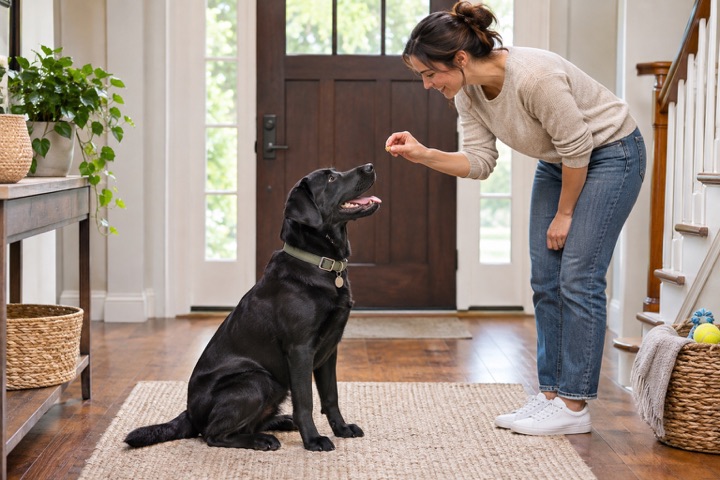
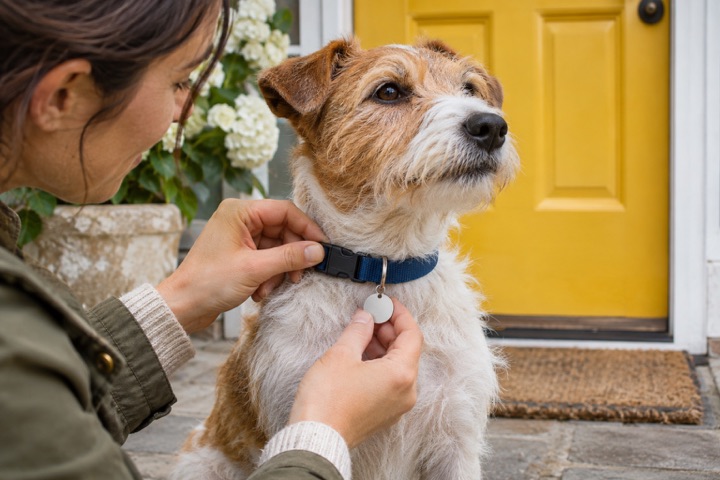
Walk the sitter through feeding, leash fitting, alarms and keys. A short trial visit can reveal confusion before you travel. Keep identification and microchip contacts current.
Ask for updates that focus on appetite, toileting, comfort and anything unusual. The purpose is continuity of care, with a clear path to help when something changes.
General educational information. For individual health concerns, consult your veterinarian. Suggest a correction.