Eight Affectionate Habits Your Dog May Not Enjoy
Show love in ways your dog welcomes by noticing boundaries around touch, rest and personal space.
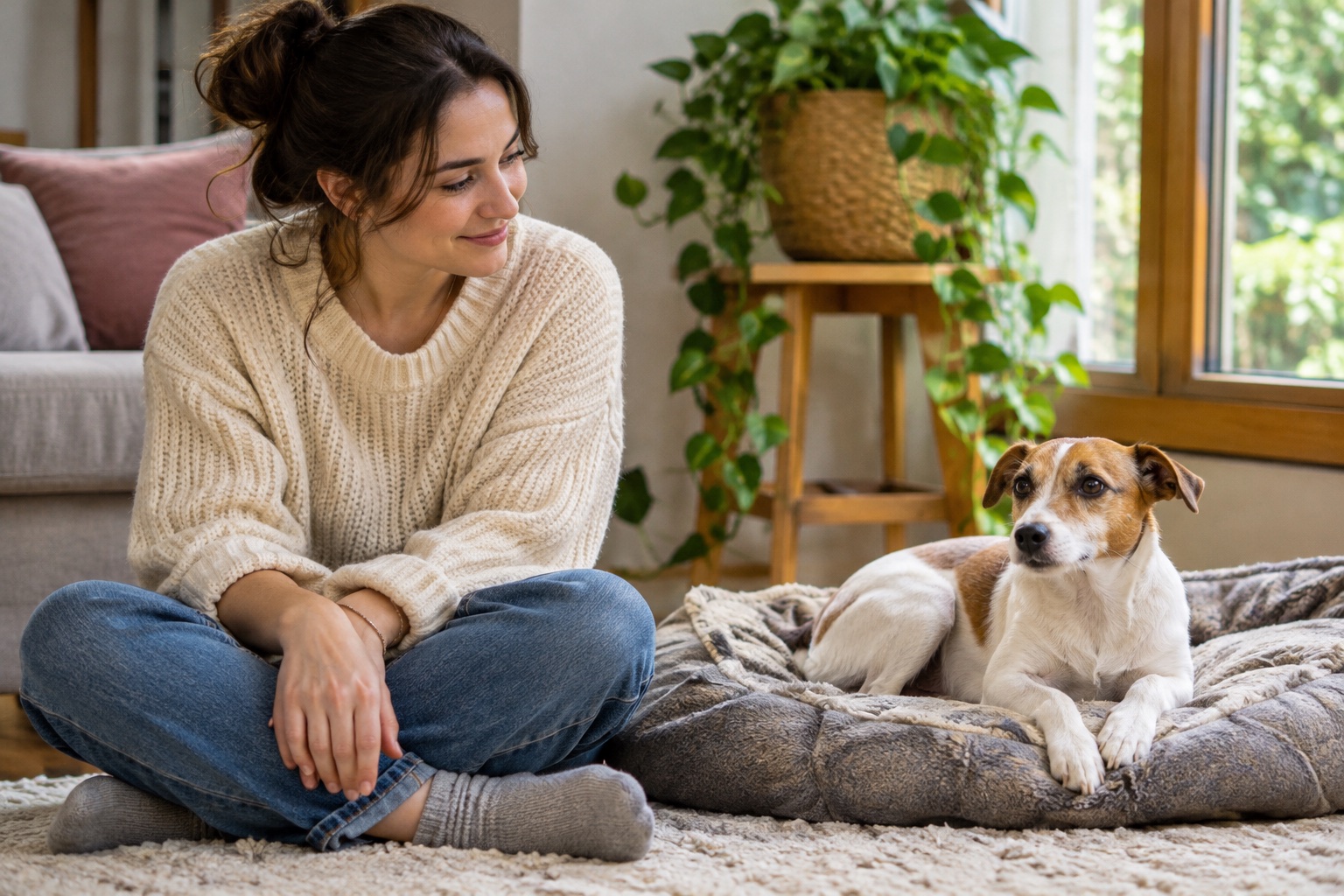
Invite contact, pause often and respect the dog's choice to move away.
Cover illustration generated with AI. About our images.
Affection feels best when both sides are comfortable. Dogs have individual preferences, and a gesture that seems loving to a person can feel intrusive to an animal. Notice what your dog chooses, especially when it is free to leave.
Eight habits to reconsider
- Repeatedly squeezing paws or touching pads for amusement. Save necessary handling for brief, rewarded practice.
- Using prolonged social withdrawal as punishment. It does not explain the behavior you want instead.
- Pressing your face against the muzzle or blowing into the nose. Give the dog space around its face.
- Leaning over and staring closely. Approach gently from an angle and allow an exit.
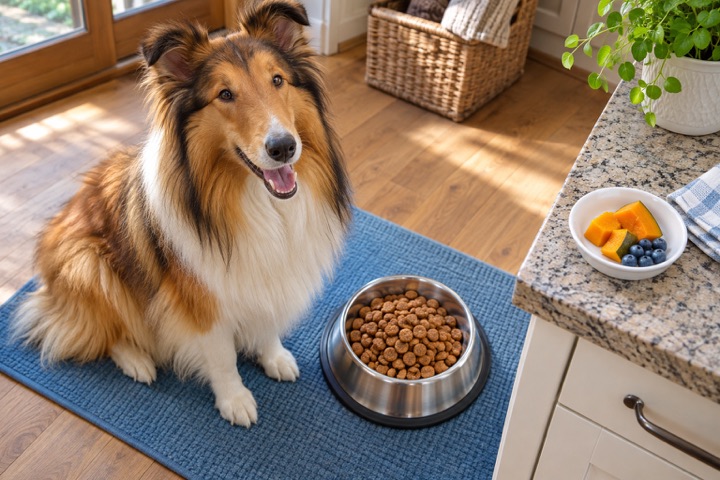
- Disturbing sleep or reaching into the food bowl. Protect quiet rest and peaceful meals.
- Pulling ears or tails, or squeezing the cheeks. These are sensitive body parts, not handles.
- Shouting or hitting after a mistake. Manage the situation and teach a rewarded alternative.
- Chasing for cuddles or holding a tight hug after the dog turns away. Let contact end.
Try a brief consent check
Invite the dog to approach, stroke a familiar comfortable area for a few seconds, then pause. A loose body and renewed approach suggest interest. Turning the head, moving away, stiffening or repeated lip licking may mean the dog wants a break. Read the signals together and in context.
Give children clear boundaries
Supervise interactions actively and provide a resting place that children do not enter. Teach gentle contact and respect for retreat. Never require a dog to tolerate uncomfortable handling to prove it is friendly.
A trusting relationship leaves room for different preferences. Sometimes the kindest way to show affection is to sit nearby and let your dog rest.
General educational information. For individual health concerns, consult your veterinarian. Suggest a correction.