The Everyday Pet-Care Checklist You Can Actually Keep
Turn grooming, dental care and quick health checks into a calm routine that fits your pet.
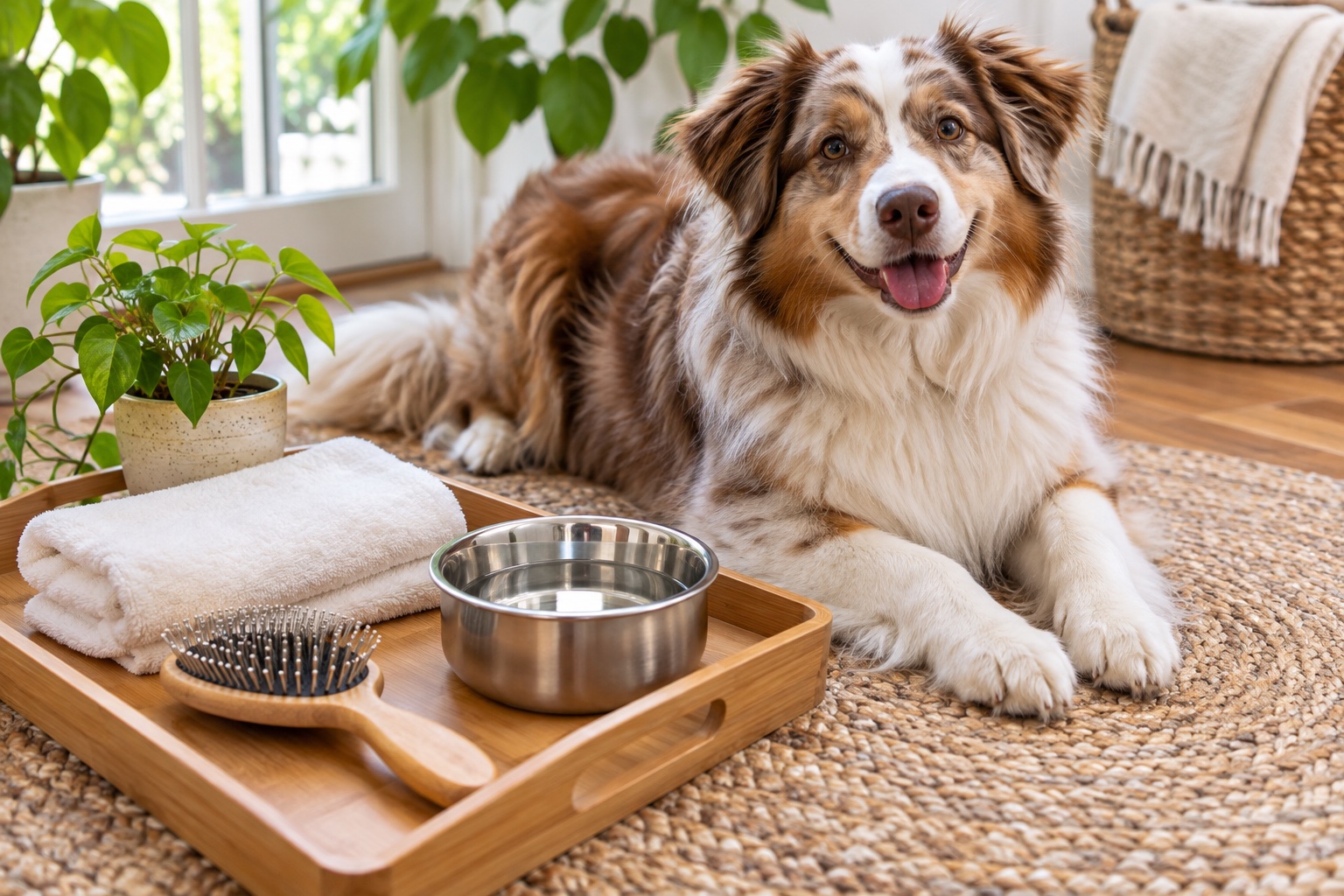
A sustainable care routine is brief, observant and comfortable for your pet.
Cover illustration generated with AI. About our images.
Good care rarely depends on doing everything at once. Small, comfortable sessions help you notice changes early and make handling more familiar. Build a routine around coat type, age, activity and your pet's tolerance, rather than following a rigid calendar.
A few observations every day
Watch appetite, drinking, toileting and energy. Check eyes for new discharge and look at paws after outdoor activity. Notice whether your pet moves freely or avoids a favorite resting spot. These brief observations become more useful when you know what is normal for your animal.
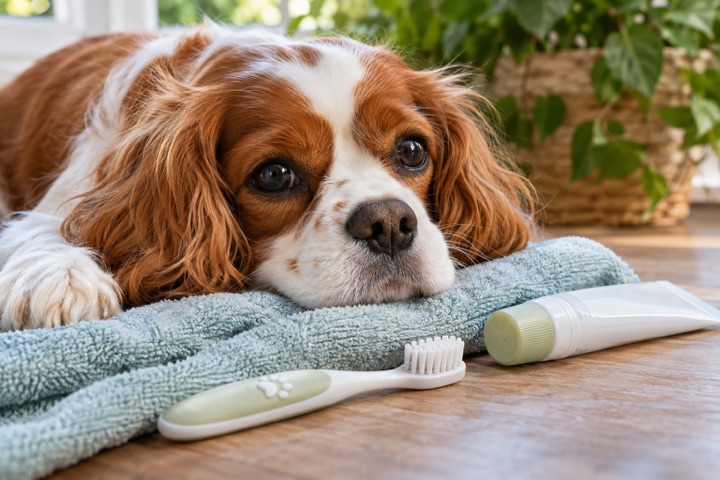
Work toward daily tooth brushing using pet toothpaste and a soft brush, provided the mouth is comfortable. Start with a few seconds and reward cooperation.
Match grooming to the coat
Long or easily tangled coats may need daily attention; smooth coats often need less. Part the fur gently and check the skin as you work. Brush in manageable sections without repeatedly scraping one area. If a mat is tight to the skin, arrange professional help instead of cutting blindly with scissors.
Bathing depends on dirt, skin health and coat needs. Use an appropriate pet shampoo, rinse thoroughly and dry comfortably. Most healthy cats do not need routine baths. Medicated products should follow the veterinary plan.
Check nails, ears and equipment
Look at nail length and wear regularly. Trim small amounts only when you can do so safely, and pause if your pet becomes worried. Inspect ears without inserting cotton swabs deep into the canal; odor, pain or redness needs assessment.
Wash bedding and bowls, and inspect collars and harnesses for rubbing or damage. Cleaning tools should themselves be clean before the next session.
Keep the routine kind
Use a non-slip surface, have rewards ready and end before frustration builds. A senior pet may need more breaks and a softer position. Record anything unusual so your veterinarian has a clearer history if a problem develops.
General educational information. For individual health concerns, consult your veterinarian. Suggest a correction.