10 Foundation Skills for a Well-Prepared Dog
Build a practical training curriculum that supports safety, handling and calmer household routines.
Connect each skill to a real need and build reliability through easy, rewarded repetition.
Cover illustration generated with AI. About our images.
A useful training plan connects small skills to real situations. Teach one clear behavior at a time, reward promptly and practice in manageable settings before expecting the skill to work outdoors.
Attention and everyday routines
- Name response: reward a glance toward you after saying the name once.
- Toilet routine: provide frequent trips to the chosen place and reward after finishing.
- Sit: reward a natural sit or guide gently with a lure; never push the hips down.
- Down: practice on a comfortable surface and reward the completed position.
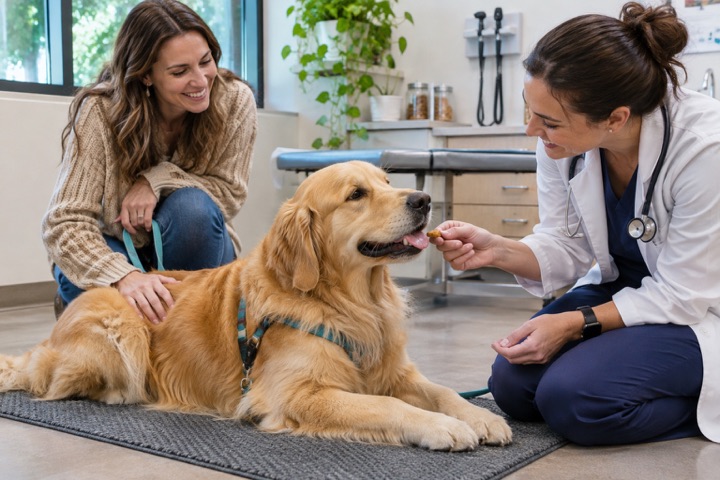
- Paw or handling: reward voluntary contact and allow withdrawal during care practice.
Safety and self-control
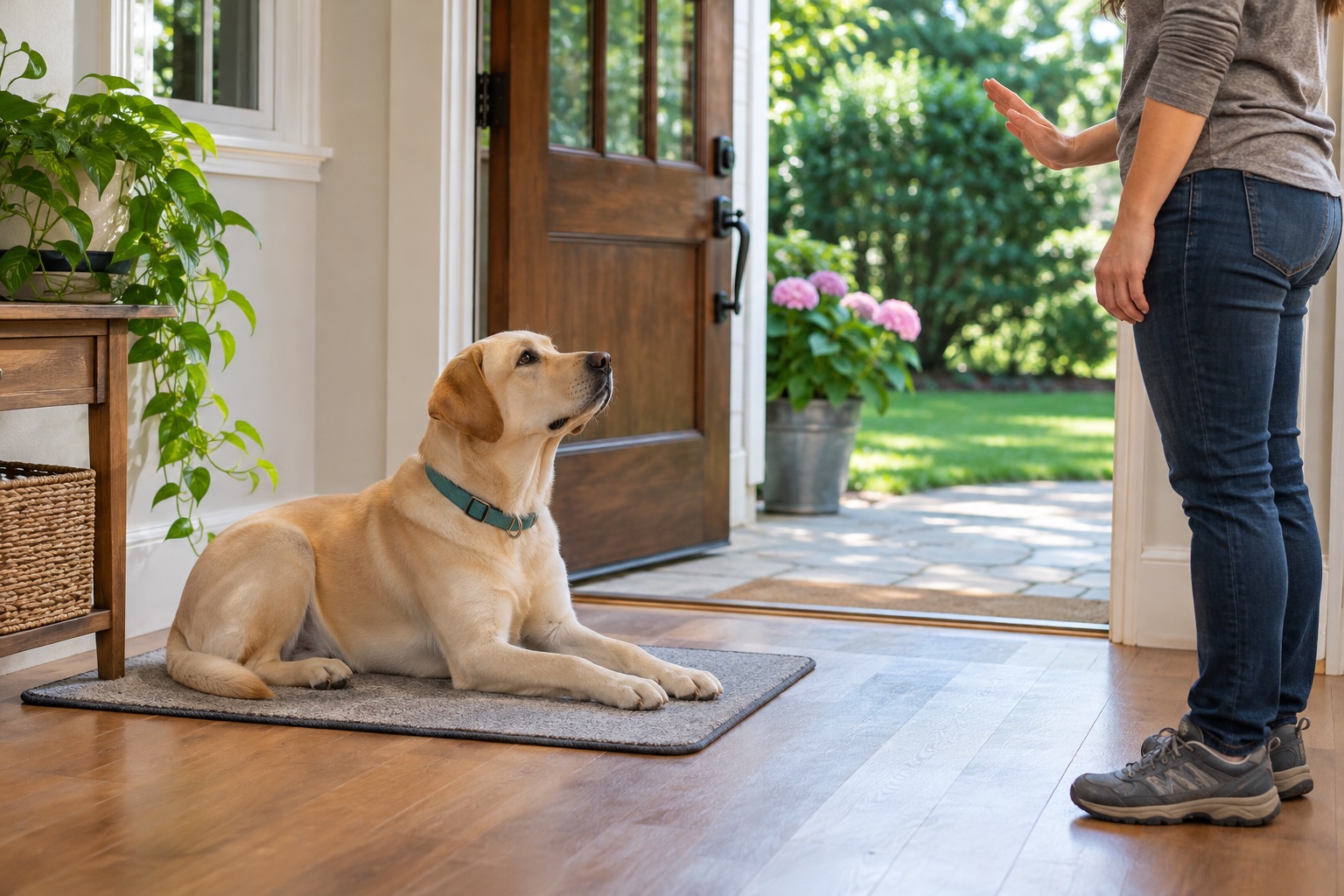
- Wait: begin with a momentary pause and a clear release word.
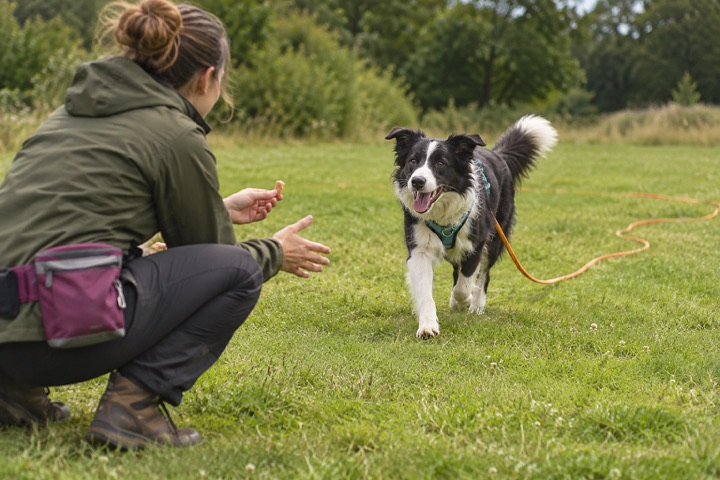
- Recall: reward returning all the way to you, with a lead or secure fence managing risk.
- Leave it: teach disengagement from a harmless covered item, then gradually increase difficulty.
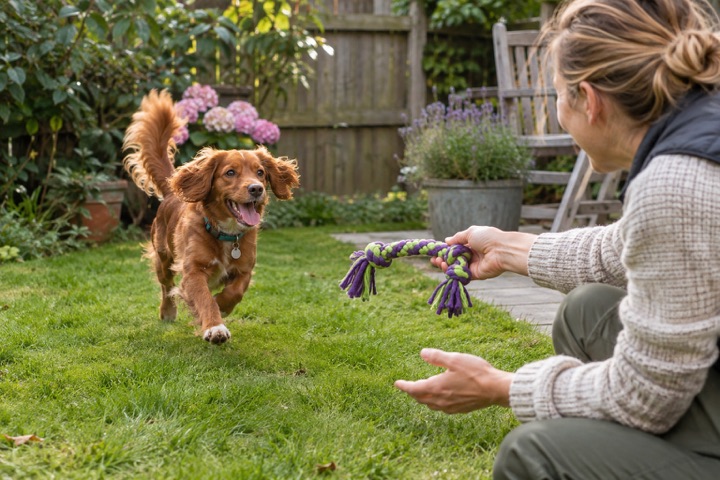
- Drop: trade a toy for something worthwhile instead of prying the mouth open.
- Loose-leash walking: reward slack in the line and easy movement beside you.
Turn practice into a habit
Use a consistent marker such as 'yes' at the moment the behavior happens. Once the dog understands the action, add the cue and slowly vary the setting. Keep food rewards small and include them in the day's allowance.
A crate can be a comfortable resting place when introduced positively, but it is not a shortcut for teaching bladder control or a place to leave a distressed dog.
If progress stalls, check timing, distractions, fatigue and physical comfort. Lower the difficulty before asking for more. A foundation is strong when the dog understands and feels safe, not simply when it performs under pressure.
Further reading
AVSAB: Humane training guidanceGeneral educational information. For individual health concerns, consult your veterinarian. Suggest a correction.