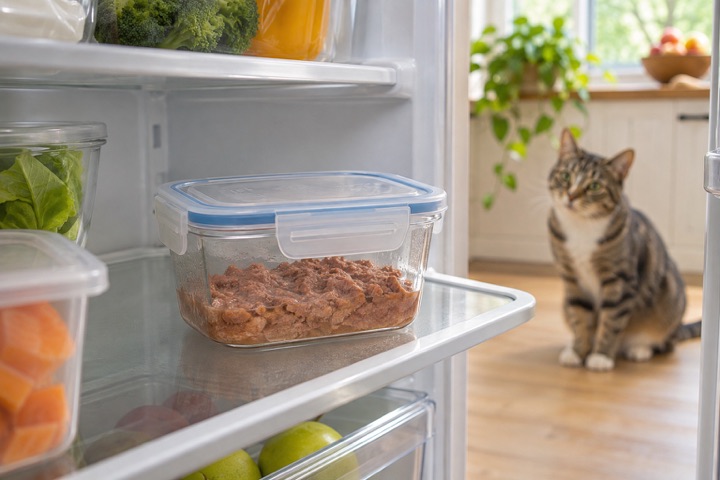
A Healthier Shape: Managing Your Cat's Weight with Care
Look beyond the number on the scale and build a measured, gradual plan that protects muscle and wellbeing.
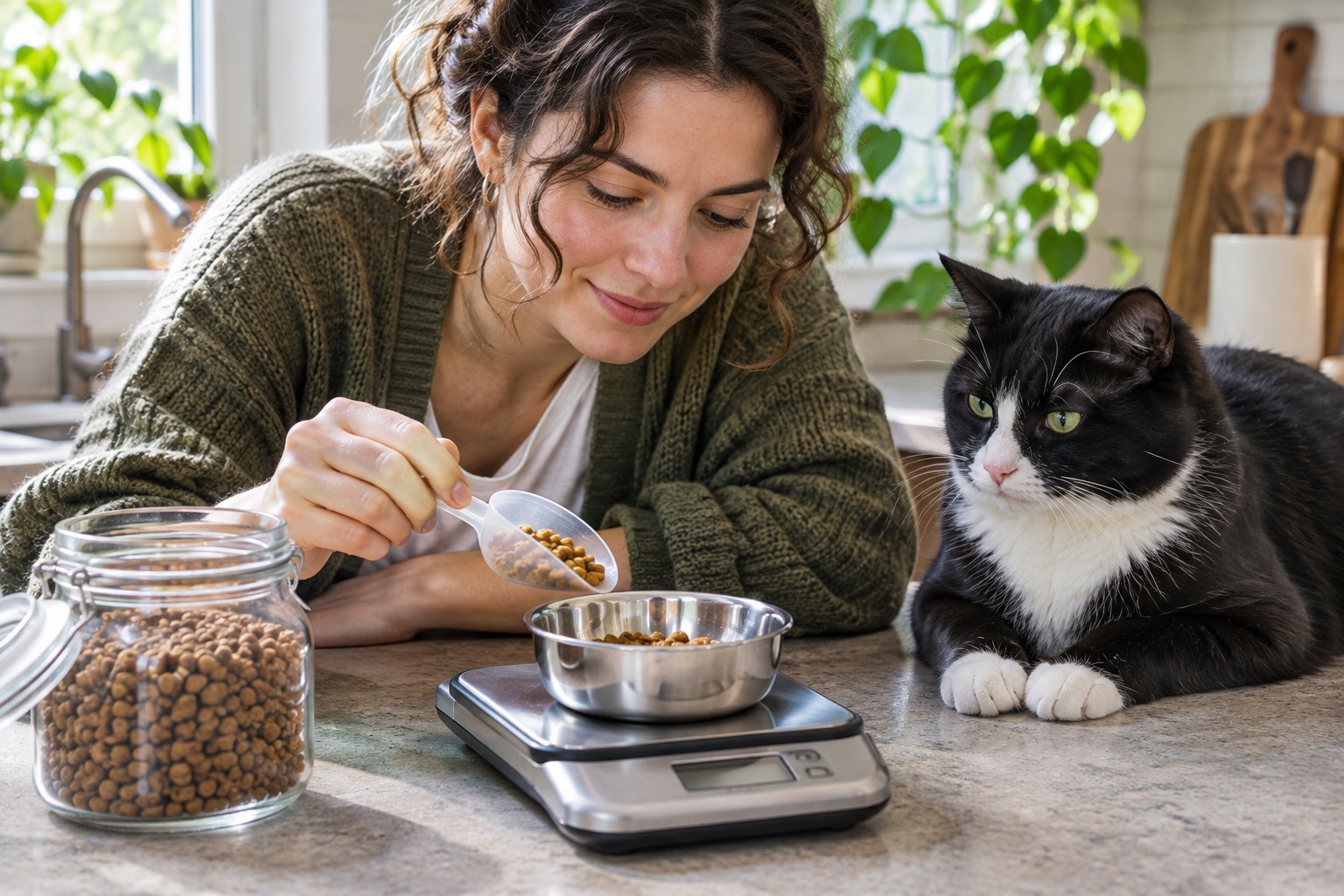
Measure portions and progress, and make any weight-loss plan gradual and veterinarian-guided.
Cover illustration generated with AI. About our images.
A soft coat can hide gradual weight gain, while a normal loose belly pouch can look misleadingly heavy. Assessing a cat's condition means considering its frame, muscle and recent changes alongside its weight. Your veterinary team can help establish a useful baseline.
Look and feel, gently
Ribs should be assessable beneath a light layer of tissue, and the waist should be visible from above in an appropriately conditioned cat. Long fur makes hands-on assessment especially valuable. Ask your veterinarian to demonstrate body and muscle condition scoring so you can repeat the check consistently.
Measure the whole menu
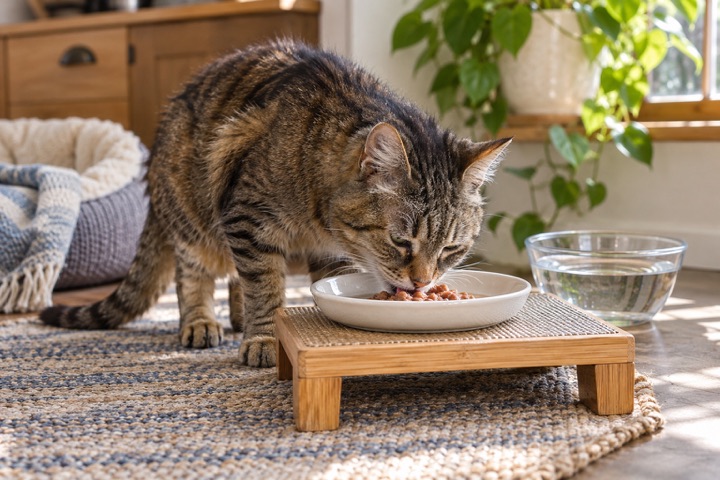
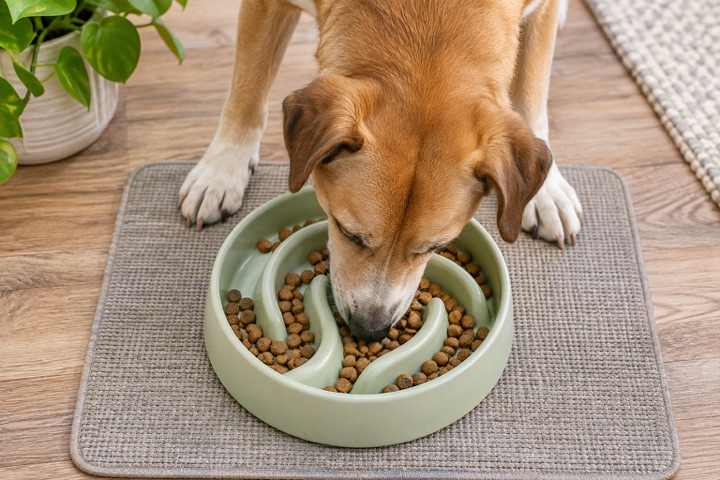
Record meals, treats, table food and food borrowed from other pets. Weigh portions with a kitchen scale and check the food's calorie information. Split the planned allowance across meals or simple feeding puzzles, rather than topping up an apparently empty bowl without keeping track.
Make weight loss gradual
Never crash-diet a cat or withhold food to force weight loss. Abrupt restriction and not eating can be dangerous. A veterinarian can set an appropriate calorie target, select a suitable complete diet and monitor progress. A 'light' label alone does not tell you the right amount to serve.
Add movement your cat enjoys
Offer short hunting-style play sessions, easy climbing routes and opportunities to search for measured portions. Adapt the setup for painful joints or limited mobility. End wand games with a catchable toy so the activity has a satisfying finish.
Recheck weight and comfort at agreed intervals. Kittens need nutrition for growth, and older cats can lose muscle even while carrying excess fat. The aim is a healthy, comfortable individual, not a universal target weight.
Further reading
WSAVA: Nutrition resourcesGeneral educational information. For individual health concerns, consult your veterinarian. Suggest a correction.