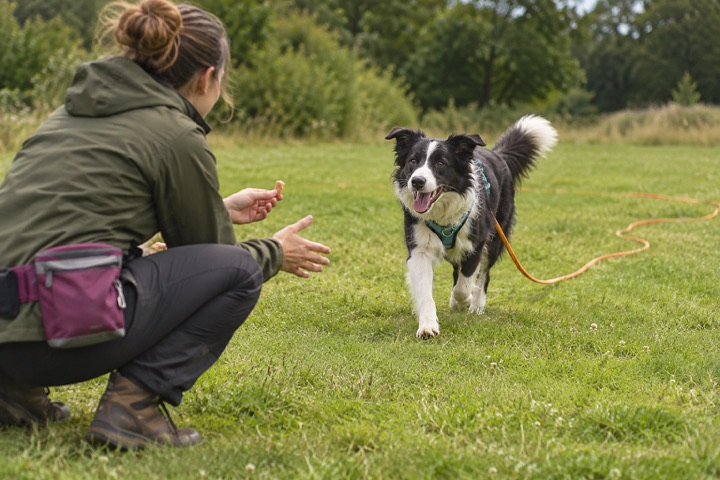
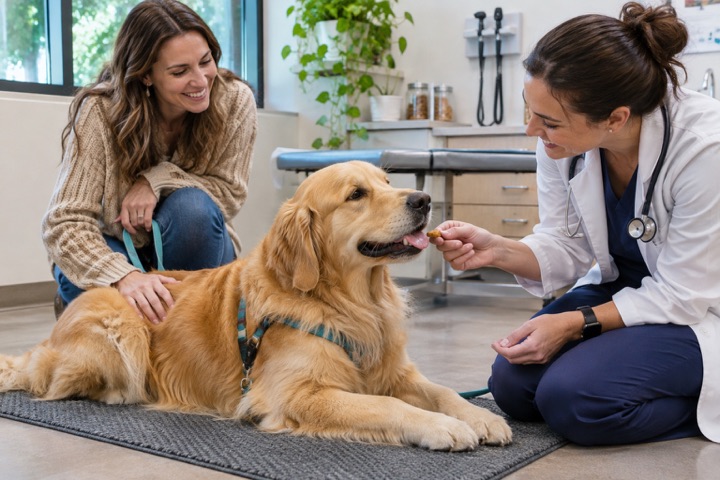
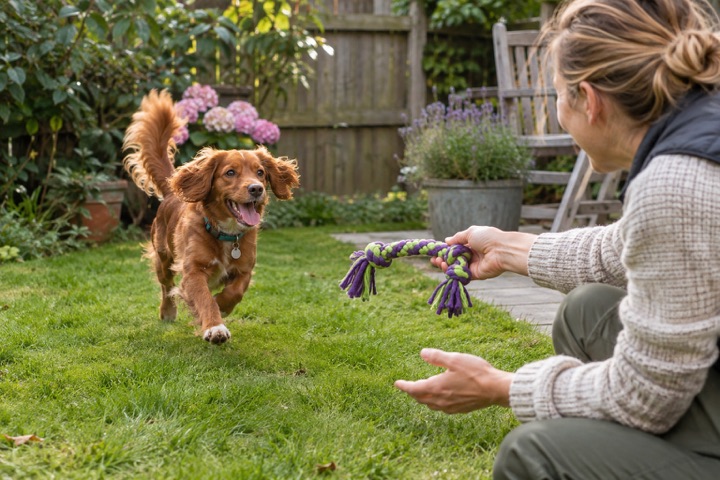
A Thoughtful Ten-Minute Walk for a Busy Day
Make a short outing useful with sniffing, gentle movement and a few easy skills—without treating it as a universal exercise substitute.
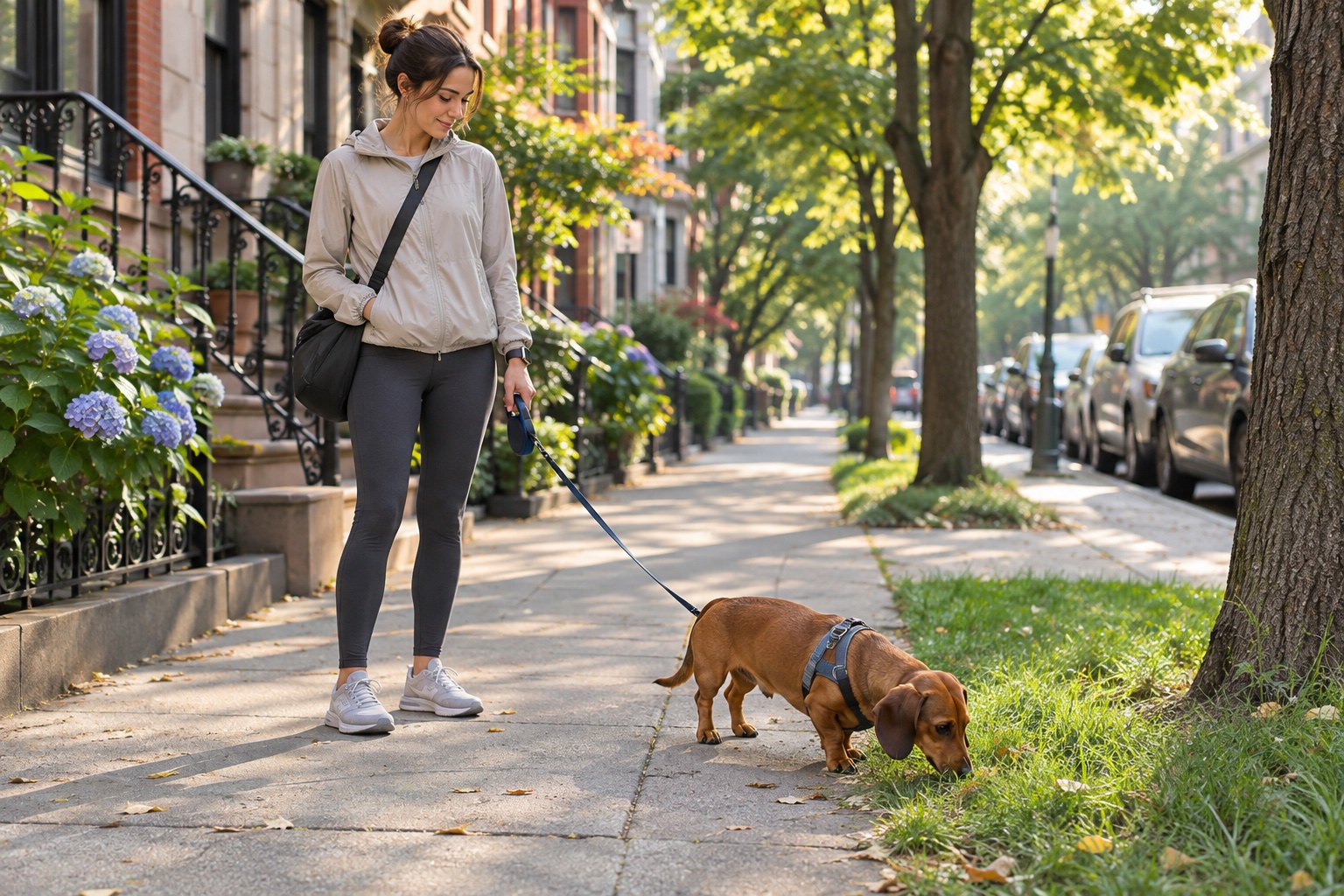
Use a short walk thoughtfully while still meeting the dog's overall daily needs.
Cover illustration generated with AI. About our images.
Some days allow only a short outing at a particular moment. A ten-minute walk can still meet useful needs when it includes time to toilet, explore and move comfortably. It does not automatically replace a dog's total daily activity or suit every dog.
Begin with an unhurried pause
Use the first part of the outing for toileting and safe sniffing. Sniffing is meaningful mental activity, not wasted time. Let your dog become comfortable with the surroundings before asking for focused work.
Add easy movement
Walk at a comfortable pace along a safe route. A gentle incline may suit a fit dog, but it is optional and should not be used to force intensity into a short session. Puppies, seniors and dogs with medical conditions may need a different approach.
Practice one small skill
Reward a few loose-leash steps, an easy check-in or a brief wait. Keep the skill familiar and the repetitions short. Training should add interest rather than take away every opportunity to explore.
Finish calmly
Allow another sniffing pause and return at a pace that leaves the dog comfortable. Offer water and rest as needed. Avoid sudden sprint intervals, repeated jumping or frantic fetch simply to make the outing 'count.'
Later in the day, provide additional activity, companionship and toilet opportunities appropriate to your dog. On days when weather or health limits outdoor time, gentle indoor enrichment can add variety. Quality helps, but it does not erase the need for sufficient care across the whole day.
Further reading
AVSAB: Humane training guidanceGeneral educational information. For individual health concerns, consult your veterinarian. Suggest a correction.