When Your Dog Wants Treats but Leaves Dinner
Check health and portions first, then rebuild a consistent meal routine without turning feeding into a standoff.
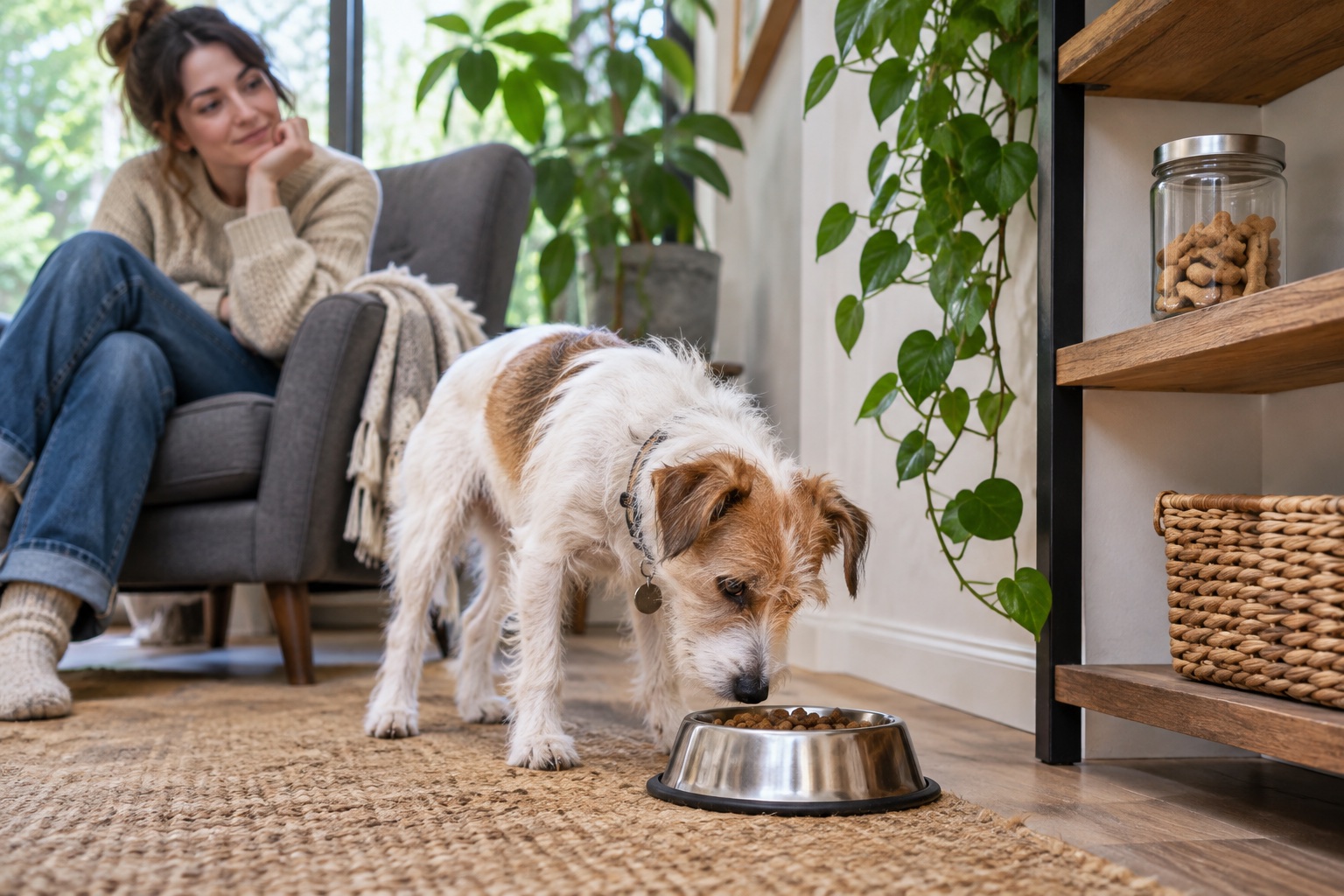
Treats do not rule out illness; assess health, total intake and routine before changing the menu again.
Cover illustration generated with AI. About our images.
A dog that accepts treats but refuses regular food can leave you wondering whether to change the menu again. Preference may play a part, but dental pain, nausea, stress and other problems can also affect appetite. Treat-eating does not rule out illness.
First, check what has changed
Note how long the problem has lasted, whether weight or energy has changed and whether chewing seems comfortable. Seek prompt veterinary advice for persistent refusal, vomiting, pain or lethargy. Puppies, medically vulnerable dogs and dogs on specific medication schedules need particular care.
Count the whole day's food
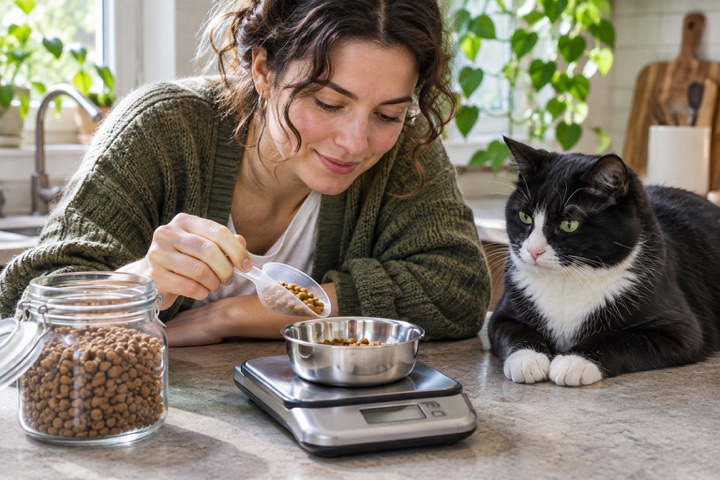
Small extras add up. Record training treats, table scraps, dental chews and food given by other household members. Compare the total with a suitable daily allowance. Use some of the measured meal as training rewards when your dog enjoys it.
Rebuild a calm routine
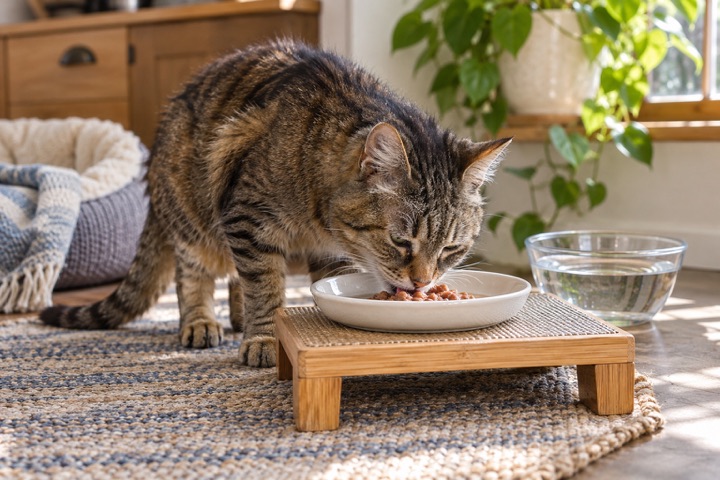
Offer an appropriate complete food in a quiet place at predictable times. Agree on one household plan rather than having several people add different toppings. For a healthy adult, your veterinarian may suggest structured meal periods, but do not use prolonged food withholding as a test of will.
Change thoughtfully
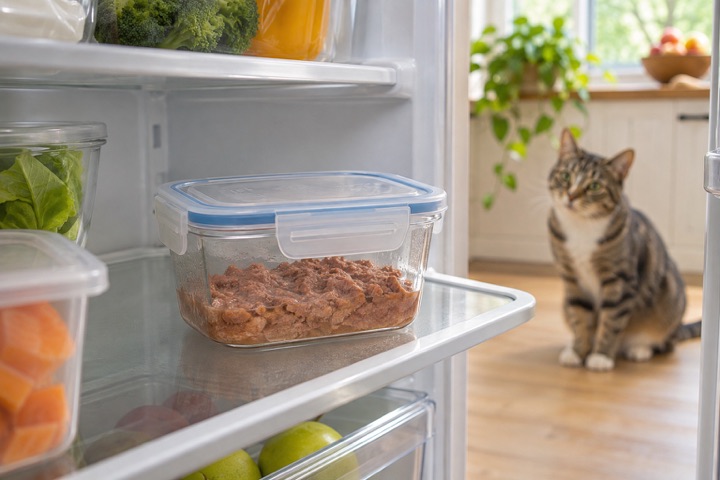
Check freshness and storage. If a food change is appropriate, transition gradually and keep additions modest so the meal remains nutritionally balanced. Warming wet food slightly may improve its aroma; always check that it is not hot.
Avoid promises that every dog will return to normal in three days. Monitor intake and comfort, and revisit the plan if the problem continues. A dependable appetite is the goal, not winning an argument with the bowl.
Further reading
WSAVA: Nutrition resourcesGeneral educational information. For individual health concerns, consult your veterinarian. Suggest a correction.