Choosing Pet Treats: Five Reasons to Put a Packet Back
Select rewards for safety, clear labeling and sensible portions rather than appearance or aroma alone.
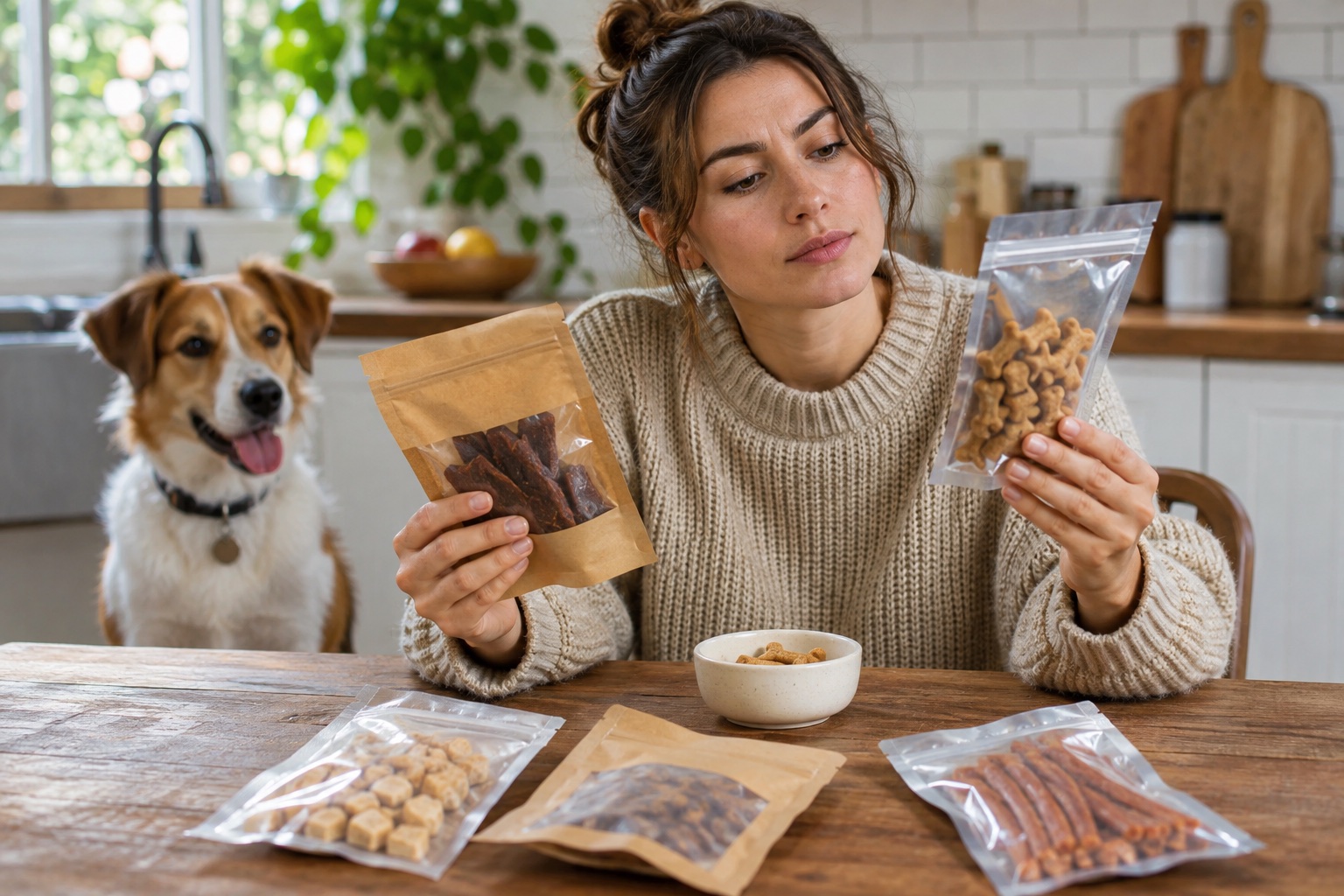
Choose clearly labeled, appropriately sized rewards and count them as part of the daily diet.
Cover illustration generated with AI. About our images.
A good treat makes a small moment rewarding without undermining the main diet. Its value depends on the animal's size, health and eating style as much as on the flavor. Begin with a clear label and a specific purpose.
Five purchases to reconsider
- Unclear origin or labeling: avoid products without reliable ingredients, manufacturer details or storage information.
- Excessively hard chews: bones, antlers and similar items can damage teeth or create other hazards.
- Pieces that do not suit the pet: an awkward size or texture may be swallowed whole or become a choking risk.
- Highly seasoned human snacks: ingredients such as onions, chocolate or xylitol can be dangerous, and rich leftovers may be poorly tolerated.
- Treats sold with dramatic health promises: a snack is not a treatment for dental disease, anxiety or nutritional deficiency.
Keep training rewards small
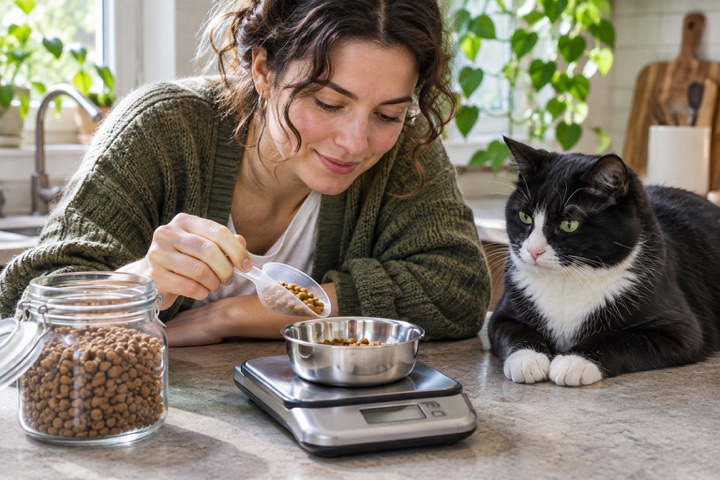
Use pieces that can be eaten quickly and safely so the lesson can continue. Set aside part of the day's food allowance when practical. Treat calories—including dental chews and food used for medication—belong in the daily total.
Match the animal's needs
A pet on a therapeutic diet, with allergies or with digestive problems may need a particular choice. Check with the veterinary team before adding a new product. Introduce one change at a time and watch for problems.
Supervise and store carefully
Observe chewing and remove damaged or swallowable remnants. Follow the label for storage and handling. A treat is most useful when it is safe, modest and genuinely enjoyable for the individual pet.
Further reading
WSAVA: Nutrition resourcesGeneral educational information. For individual health concerns, consult your veterinarian. Suggest a correction.