
Pet Nutrition
Complete nutrition, sensible portions and feeding routines that fit your pet.
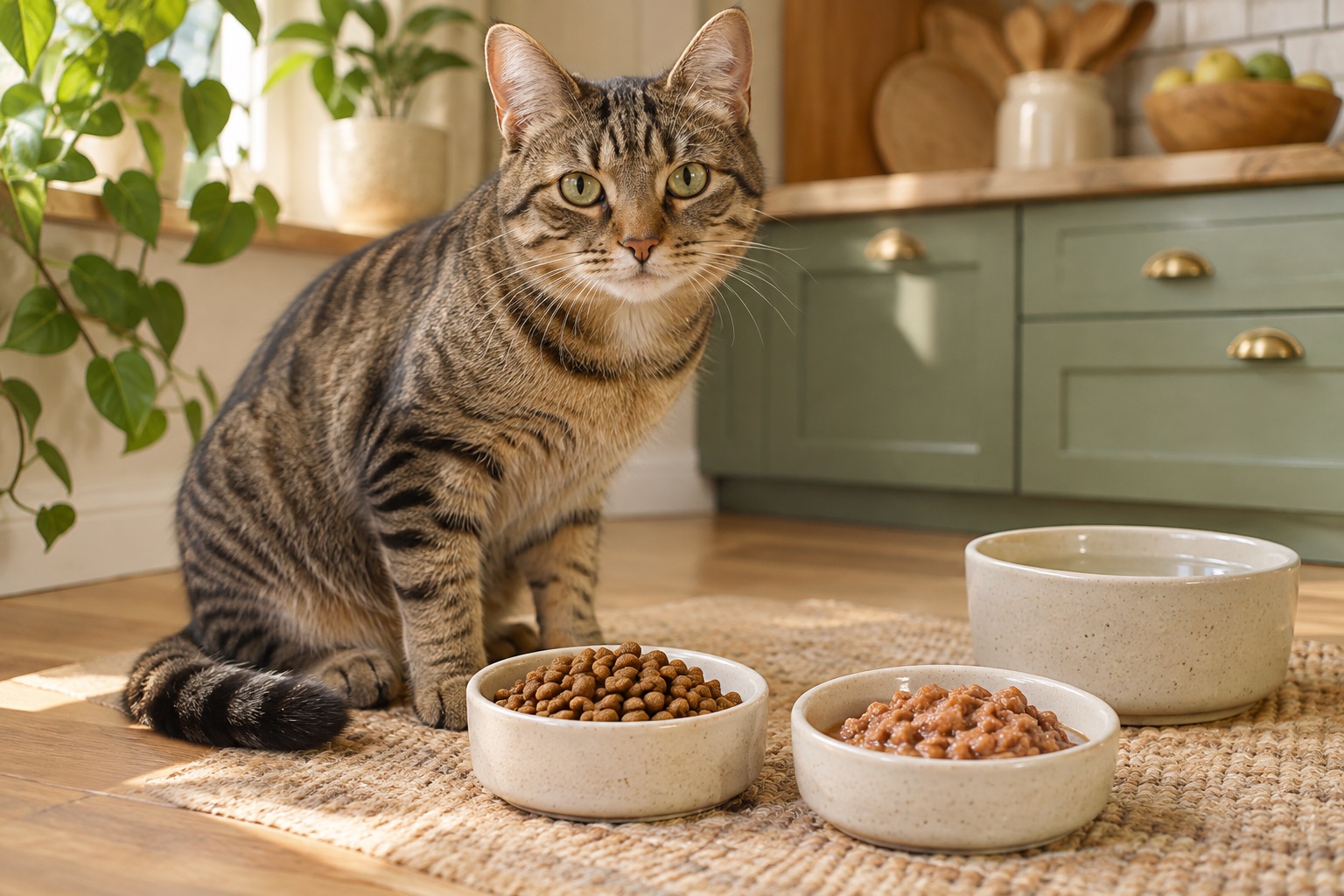
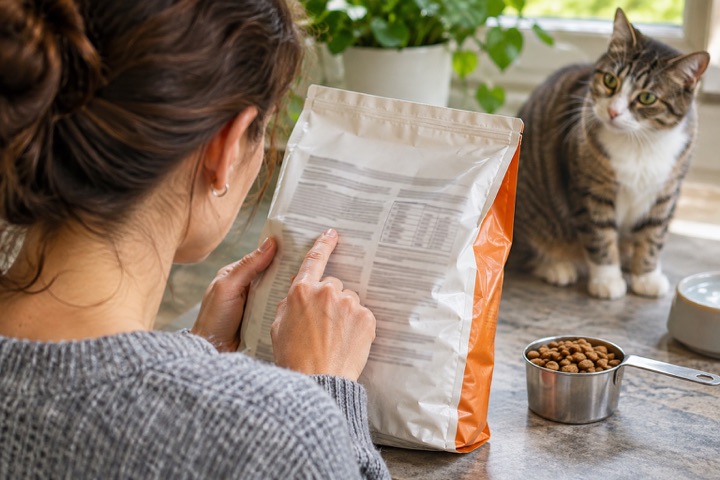
How to Read a Pet Food Label Without the Marketing Noise
Start with nutritional adequacy, life stage and calories, then put the ingredient list in context.
Read the story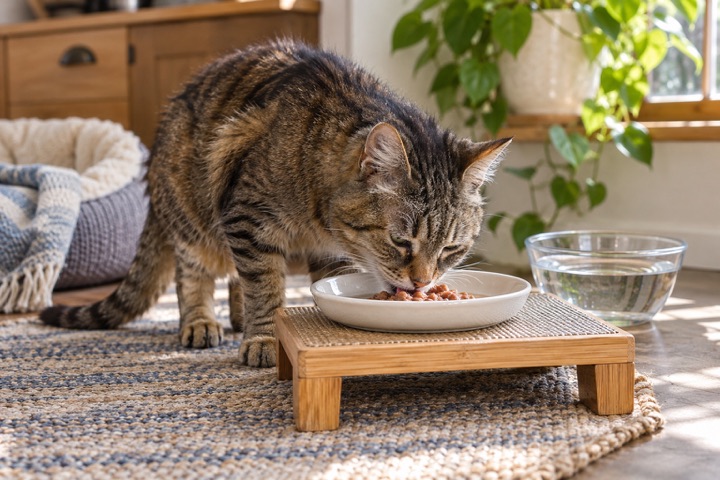
Feeding a Senior Cat for Comfort, Strength and Mobility
Support an older cat with complete nutrition, accessible meals and a plan tailored to its health.
Read the story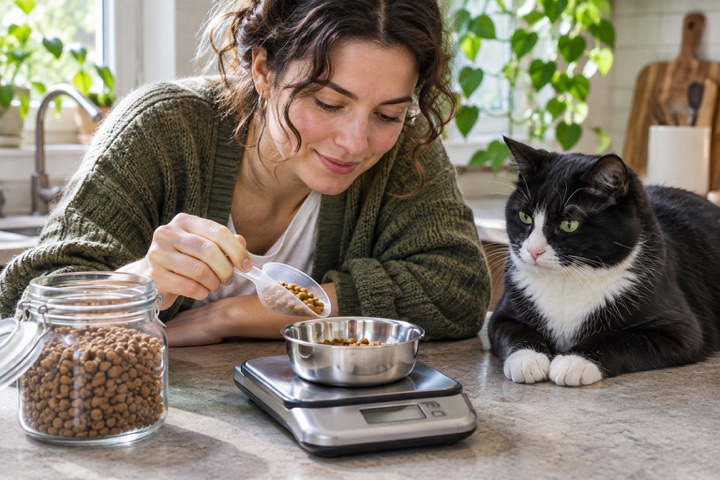
A Healthier Shape: Managing Your Cat's Weight with Care
Look beyond the number on the scale and build a measured, gradual plan that protects muscle and wellbeing.
Read the story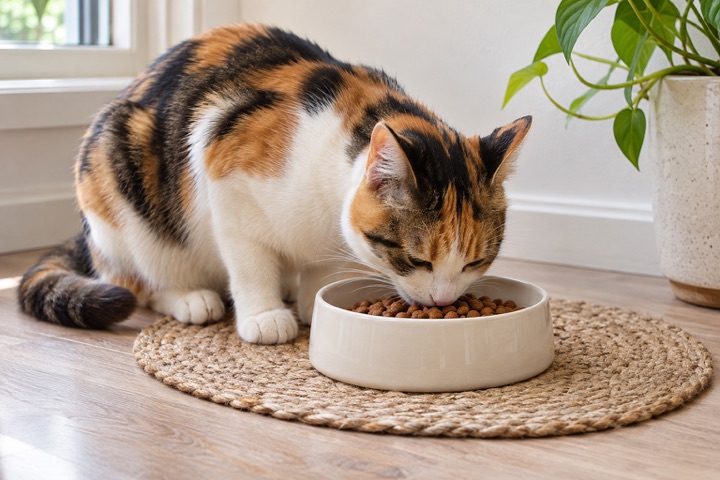
Can Complete Cat Food Be Enough on Its Own?
Understand what a complete diet provides and when extras can complicate, rather than improve, nutrition.
Read the story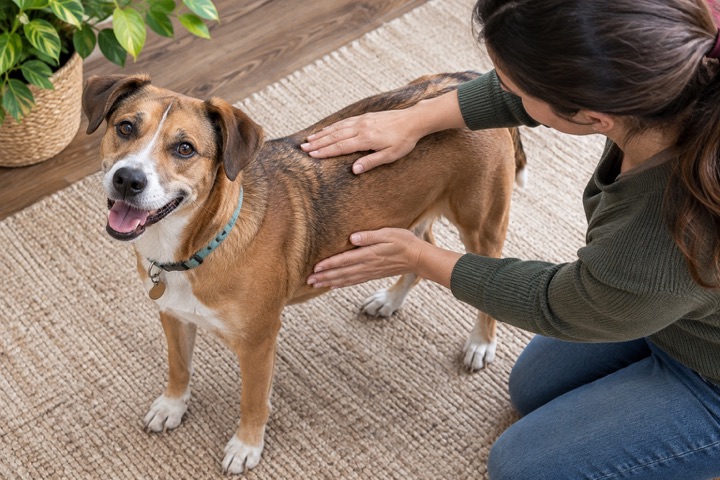
Is Your Pet Overweight? A Kinder Way to Assess and Act
Use body condition, measured meals and a gradual plan instead of breed averages or crash diets.
Read the story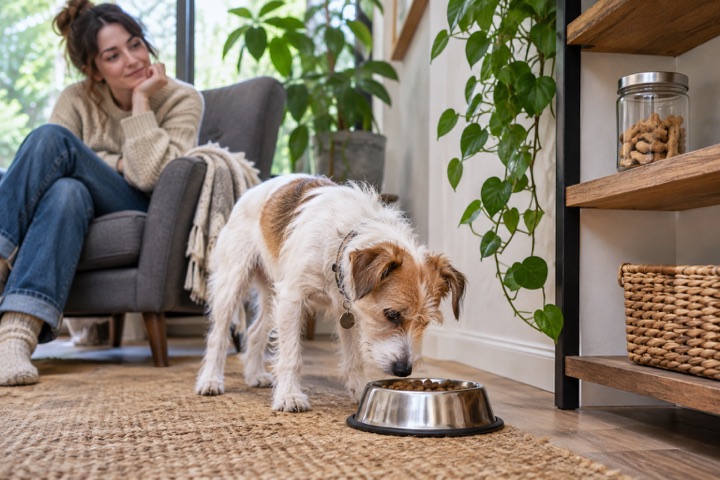
When Your Dog Wants Treats but Leaves Dinner
Check health and portions first, then rebuild a consistent meal routine without turning feeding into a standoff.
Read the story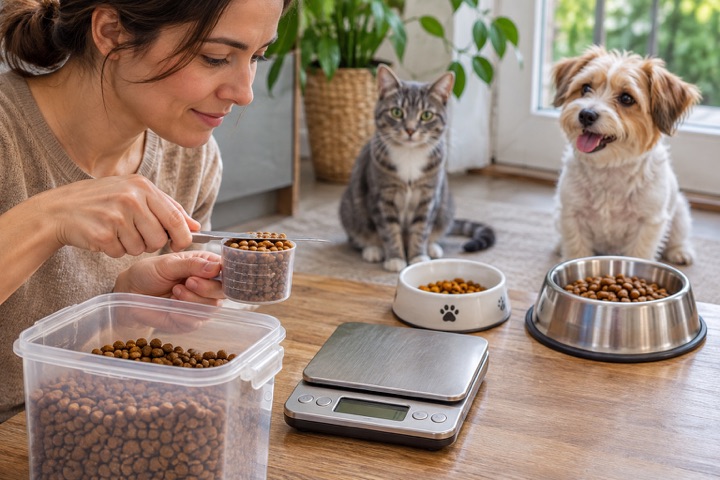
How Much Should You Feed? A Practical Portion-Planning Guide
Use calories, life stage and body condition to find a starting portion and adjust it sensibly.
Read the story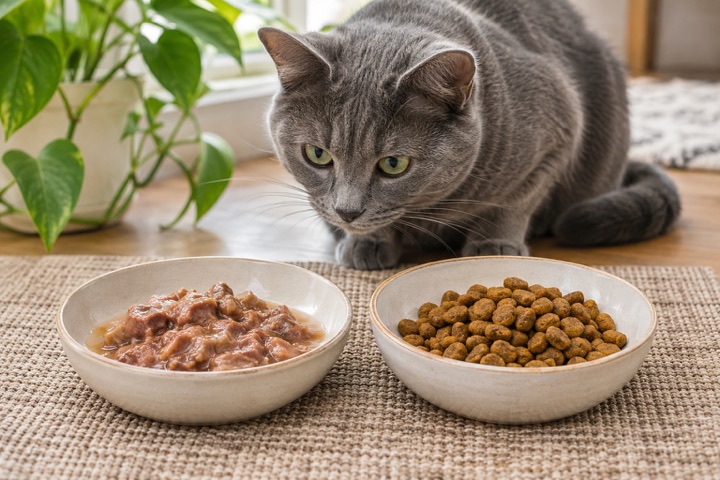
Wet Food, Dry Food or Both? Choosing Your Cat's Menu
Compare moisture, convenience and portion control while keeping complete nutrition at the center.
Read the story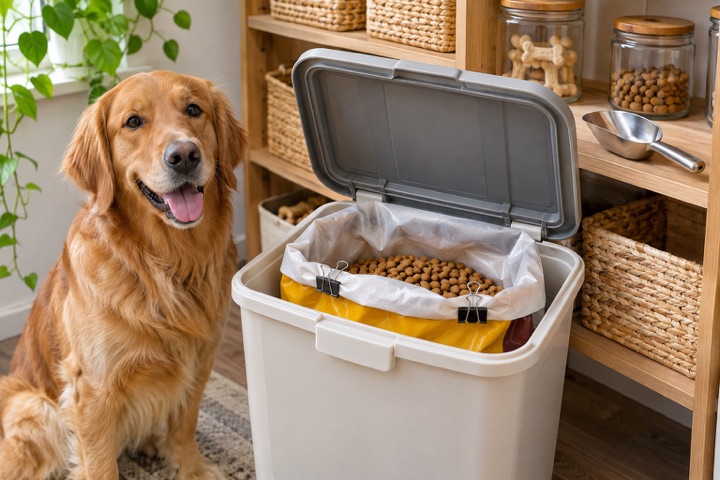
Pet Food Containers: Why the Original Bag Still Matters
Use an outer container for protection without losing freshness, traceability or a clean changeover routine.
Read the story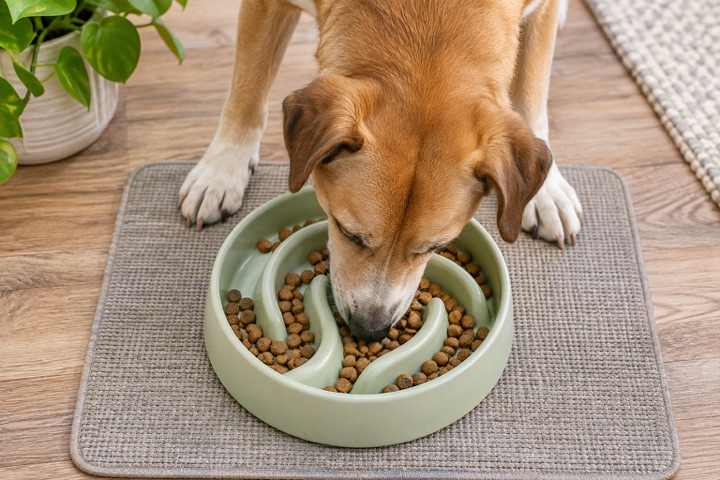
A Dog Who Gulps Meals: Help Dinner Slow Down
Reduce competition and choose simple feeding changes that make mealtimes calmer and easier to monitor.
Read the story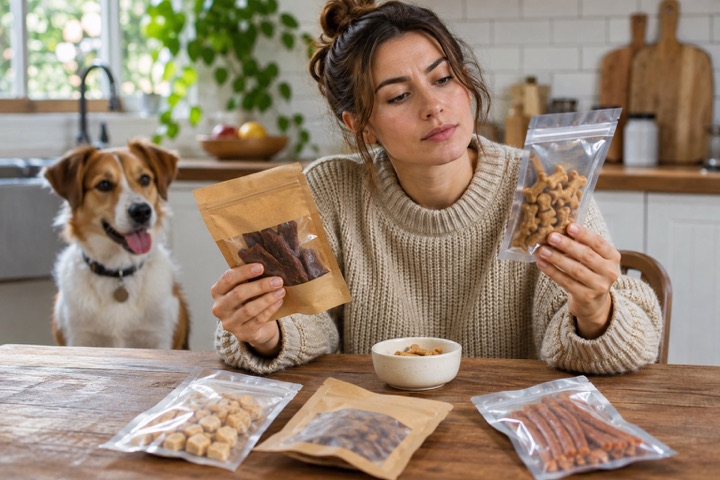
Choosing Pet Treats: Five Reasons to Put a Packet Back
Select rewards for safety, clear labeling and sensible portions rather than appearance or aroma alone.
Read the story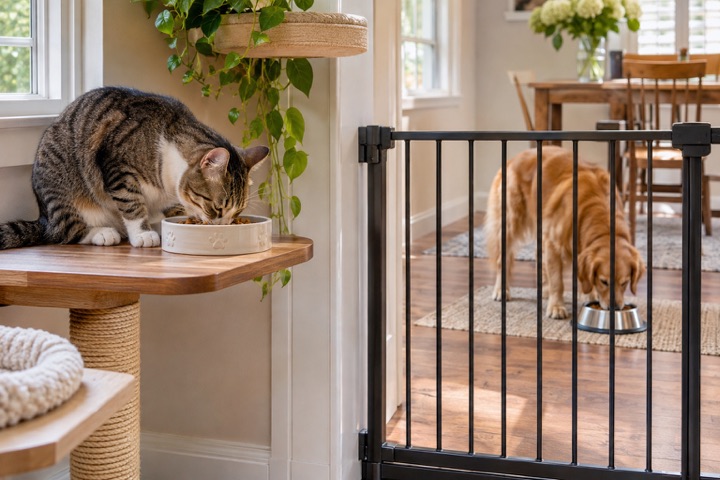
Meals in a Multi-Pet Home: Give Every Animal Its Own Space
Separate portions and feeding stations to reduce competition and make appetite changes easier to notice.
Read the story